
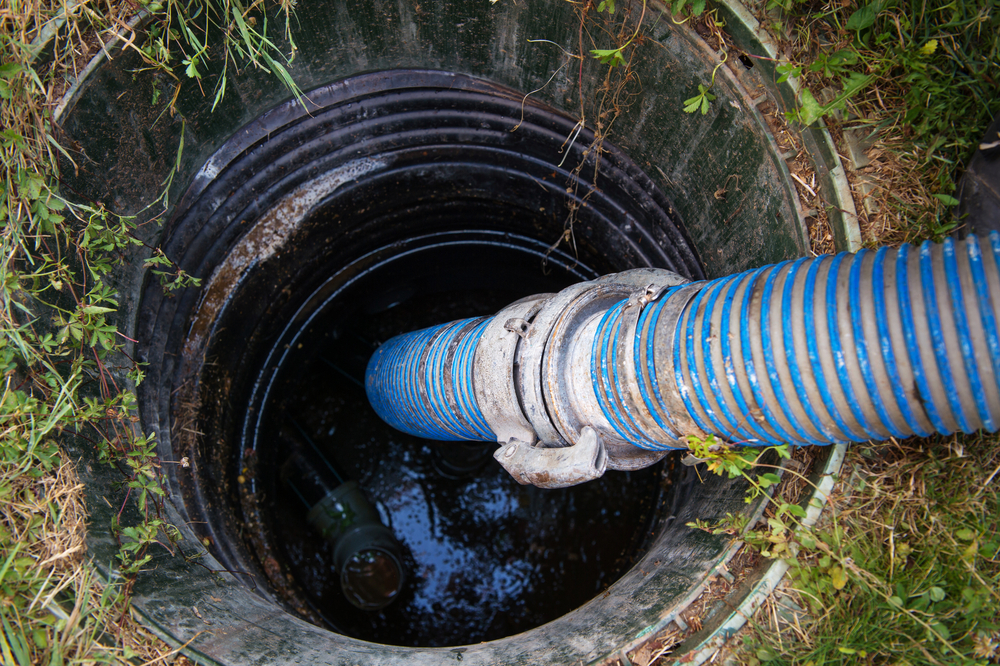
A septic system is easy to forget about until something goes wrong. When it does, the consequences can be messy, expensive, and disruptive to your daily life. Septic tank failure rarely happens overnight. In most cases, the system sends warning signals long before a complete breakdown. Knowing how to recognize those signs and understanding what they mean can help protect your property, your health, and your wallet.
This guide walks through the most common signs of septic failure, explains what causes septic system failure, and outlines practical steps homeowners can take before a small issue becomes a major emergency problem.
What Is Septic Tank Failure?
Septic tank failure occurs when the system can no longer properly treat and disperse wastewater. This may happen because solids build up in the tank, pipes become clogged or damaged, the drain field stops absorbing liquid, or the system becomes overwhelmed by excess water use.
When a septic system fails, untreated or partially treated wastewater can surface in the yard, back up into the home, or contaminate nearby groundwater. These issues pose health risks and often require immediate attention.
What Are Some Common Signs of Septic Tank Failure?
Recognizing the early signs of septic tank failure can prevent costly repairs and environmental damage. Some warning signs are obvious, while others are subtle and easy to overlook.
1. Slow Drains and Frequent Backups
One of the earliest signs of septic failure is slow-draining sinks, showers, and tubs. If multiple drains in the home are slow at the same time, the issue may be deeper than a simple clog. Frequent toilet backups or gurgling sounds in plumbing lines can also signal that the septic system is struggling to move wastewater efficiently.
2. Sewage Odors Indoors or Outdoors
Persistent sewage smells inside the home or around the yard are a strong indicator of septic system failure. These odors may come from backed-up gases, a cracked tank, or wastewater that is no longer being properly filtered through the soil.
3. Pooling Water or Soggy Areas in the Yard
Standing water or unusually soggy soil near the septic tank or drain field often points to a failing system. This occurs when wastewater rises to the surface instead of soaking into the ground. Even during dry weather, wet patches or muddy areas should not be ignored.
4. Lush, Fast-Growing Grass Over the Drain Field
While green grass might seem like a good thing, unusually lush or fast-growing vegetation over the drain field can be a sign of septic tank failure. Excess nutrients from untreated wastewater act like fertilizer, causing abnormal plant growth in specific areas of the yard.
5. Contaminated Well Water
For properties that rely on well water, septic system failure can lead to contamination. Increased bacteria or nitrates in well tests may indicate that wastewater is reaching groundwater sources. This situation presents serious health concerns and requires immediate professional evaluation.
What Causes Septic System Failure?
Understanding what leads to septic system failure can help homeowners avoid common mistakes that shorten system lifespan.
- Lack of Regular Maintenance – One of the leading causes of septic tank failure is infrequent pumping. When solids are not removed on schedule, they can overflow into the drain field and clog the soil, reducing its ability to absorb liquid waste.
- Excess Water Usage – Using too much water in a short period can overwhelm a septic system. Leaky fixtures, long showers, and multiple loads of laundry in one day force excess water into the tank and drain field, preventing proper separation and treatment.
- Improper Disposal Practices – Flushing non-biodegradable items, grease, wipes, or harsh chemicals can damage the bacterial balance inside the tank and clog pipes. These materials do not break down easily and contribute directly to septic tank failure.
- Physical Damage to the System – Driving or parking heavy vehicles over the septic tank or drain field can compact soil, crack pipes, and damage the system structure. Tree roots can also invade pipes and tanks, causing blockages and leaks over time.
DIY Tips to Protect Your Septic System
While some septic issues require professional intervention, homeowners can take proactive steps to reduce the risk of septic tank failure.
Use water efficiently by spacing out laundry loads and promptly fixing leaks. Be mindful of what goes down drains and toilets, limiting waste to human waste and septic-safe toilet paper. Avoid pouring grease, oils, or chemicals down sinks.
Keep detailed records of maintenance and pumping schedules, and know the location of the septic tank and drain field. Protect these areas by keeping them free from vehicles, structures, and deep-rooted plants.
Routine inspections can also catch early signs of septic failure before they escalate into emergencies.
When Septic Problems Can No Longer Be Ignored
Some signs of septic system failure require immediate action. Sewage backing up into the home, strong odors that persist, or visible wastewater on the property should never be dismissed or delayed. These situations can worsen quickly and pose health risks to occupants and neighbors.
Acting early often limits damage and reduces long-term repair costs, while waiting can result in system replacement rather than repair.
Protect Your Property Before Septic Failure Gets Worse
Septic tank failure is not resolved on its own. When warning signs appear, professional evaluation is the safest way to protect your home, land, and water supply. Biros Septic provides experienced septic services designed to identify problems early, recommend practical solutions, and restore system performance before failure leads to more extensive damage. Contact us today to schedule an inspection and take the first step toward peace of mind.