
Residential // Septic Replacement
Septic Replacement in Scranton and Wilkes-Barre, PA
Whether you’re dealing with slow drains, soggy ground in the yard, or a system that’s too old and worn to keep up, a full septic replacement may be exactly what your property needs. At Biros Septic & Drain Cleaning, we’ve been guiding homeowners across Northeastern and Central Pennsylvania through this process since 1990. You deserve a clear plan, honest guidance, and a team that treats your property with the same care you do.
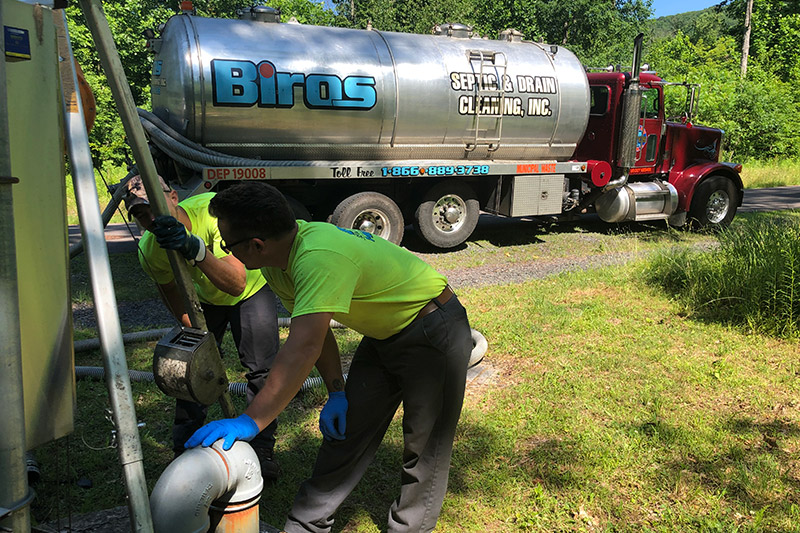
When Is It Time for a Full Septic Replacement?
If you’re noticing any of the following, it’s time to have a trained technician evaluate your system:
Drain field failure
Water is pooling above ground, or the soil is consistently saturated near your leach field.
Structural tank damage
Cracks, collapses, or significant corrosion compromise the tank’s integrity.
System age
Most conventional septic systems have a lifespan of 25 to 40 years. If yours is aging out, proactive replacement protects your property.
Repeated backups
Frequent sewage backups that keep returning despite repeated service calls.
Failed inspection
A PSMA/NOF certified inspection has flagged your system as non-compliant or beyond repair.
Major household changes
Significant additions to your home, increased occupancy, or property expansions that exceed your current system’s capacity.
Not sure whether you need a repair or a full replacement? Our trained technicians will walk you through your options, clearly and without pressure.
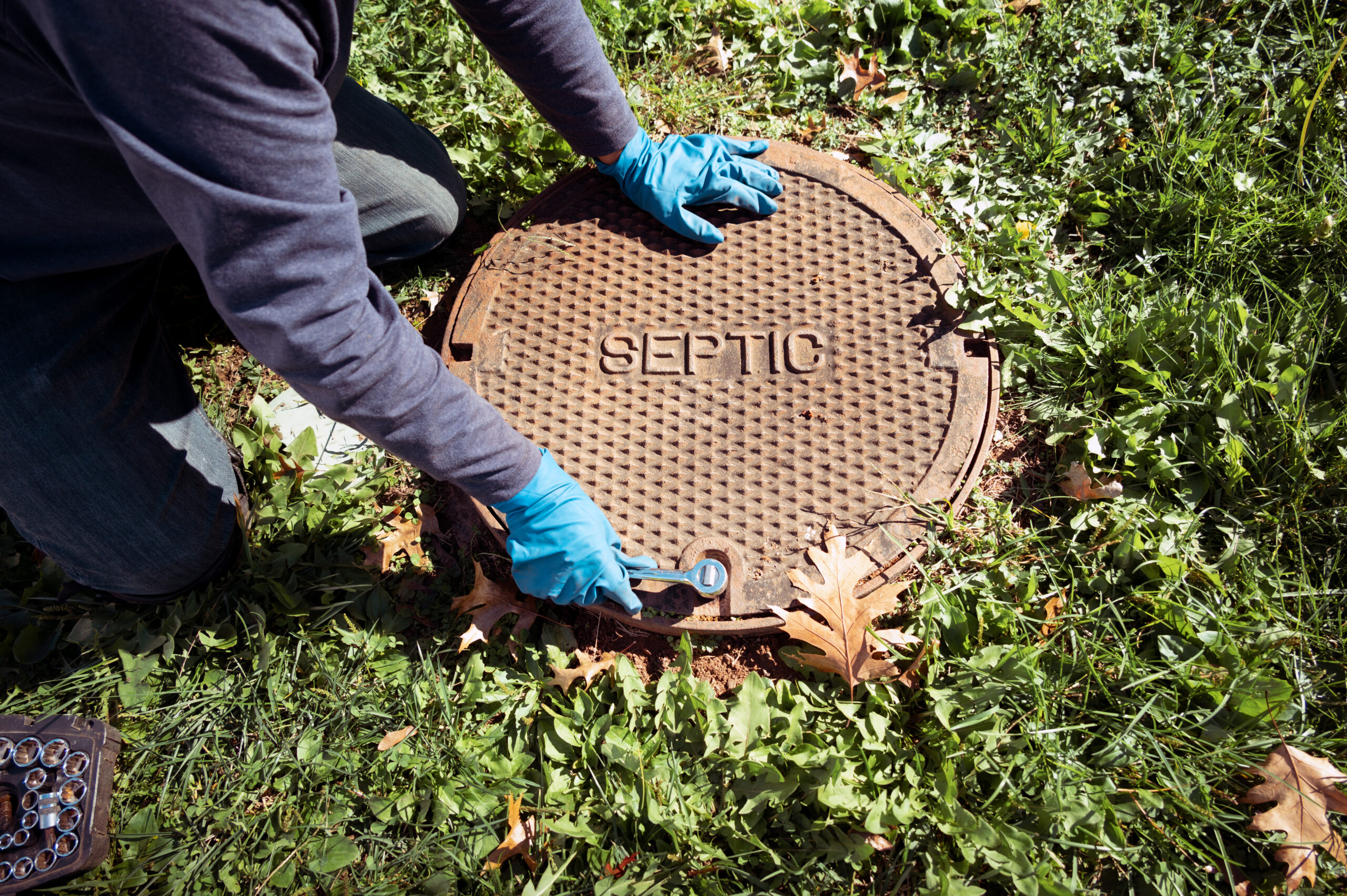
Septic Repair vs. Full Septic System Replacement: How to Know the Difference
A repair makes sense when the problem is isolated, such as a broken pump, a single cracked pipe, or a clogged line. A full septic system replacement becomes the right call when the damage is widespread, the system has reached end-of-life, or repairs would cost nearly as much as a new installation.
Here’s a quick rule of thumb:
- Repair: Isolated component failure, system is under 20 years old, no drain field compromise.
- Replace: Drain field failure, structural tank collapse, system over 30 years old, repeated failures.
Our Step-by-Step Septic System Replacement Process
Your property, your soil, and your county’s regulations all shape what the right system looks like. Here’s what you can expect when you work with Biros Septic & Drain Cleaning:

Step 1: Site Evaluation and Soil Testing
We start by evaluating your property, including perc tests and hydraulic load tests, to determine what type of system your land can support.
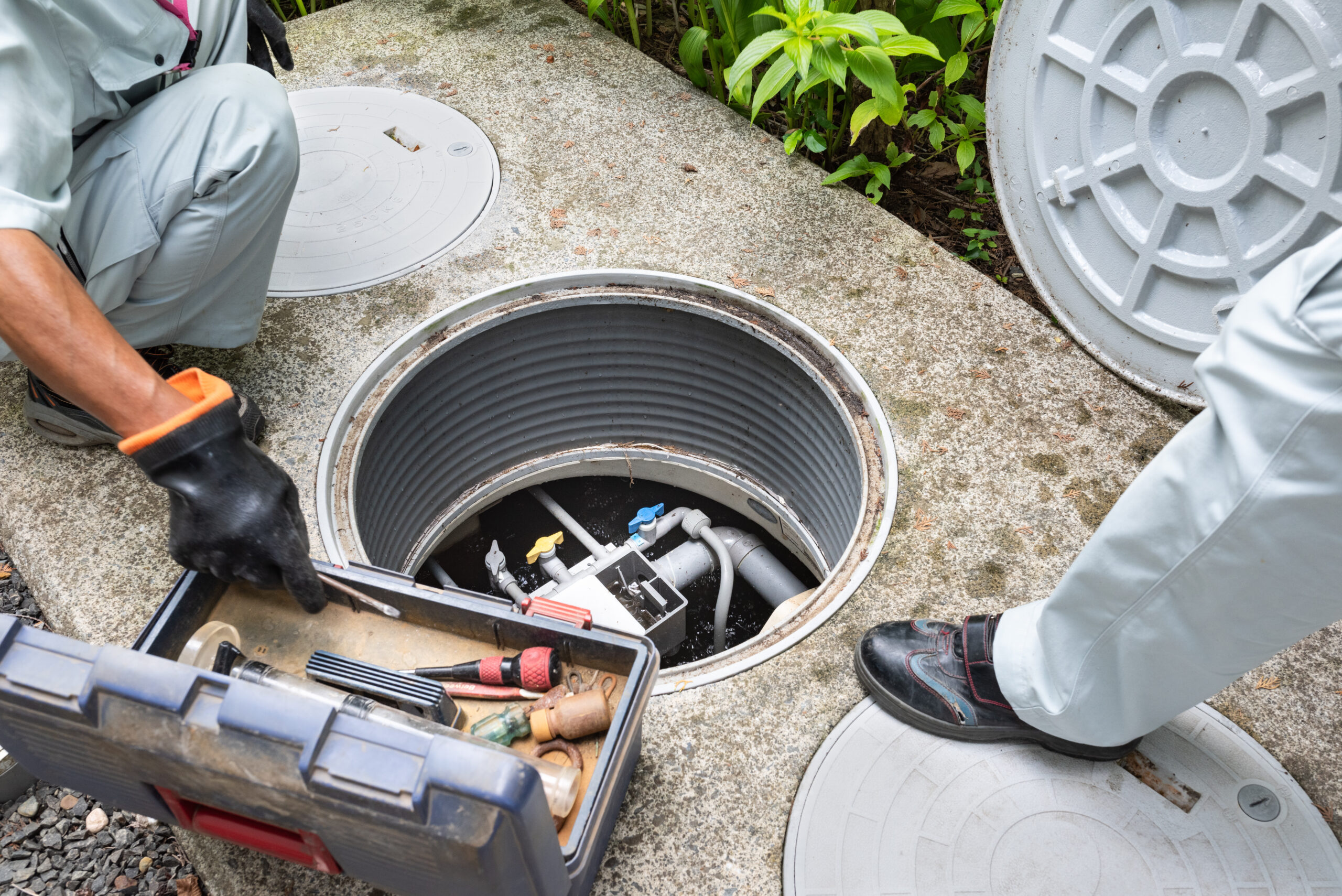
Step 2: Permitting and Compliance
We coordinate all required local and state permits, ensuring your project complies with Pennsylvania DEP guidelines and county health department requirements.
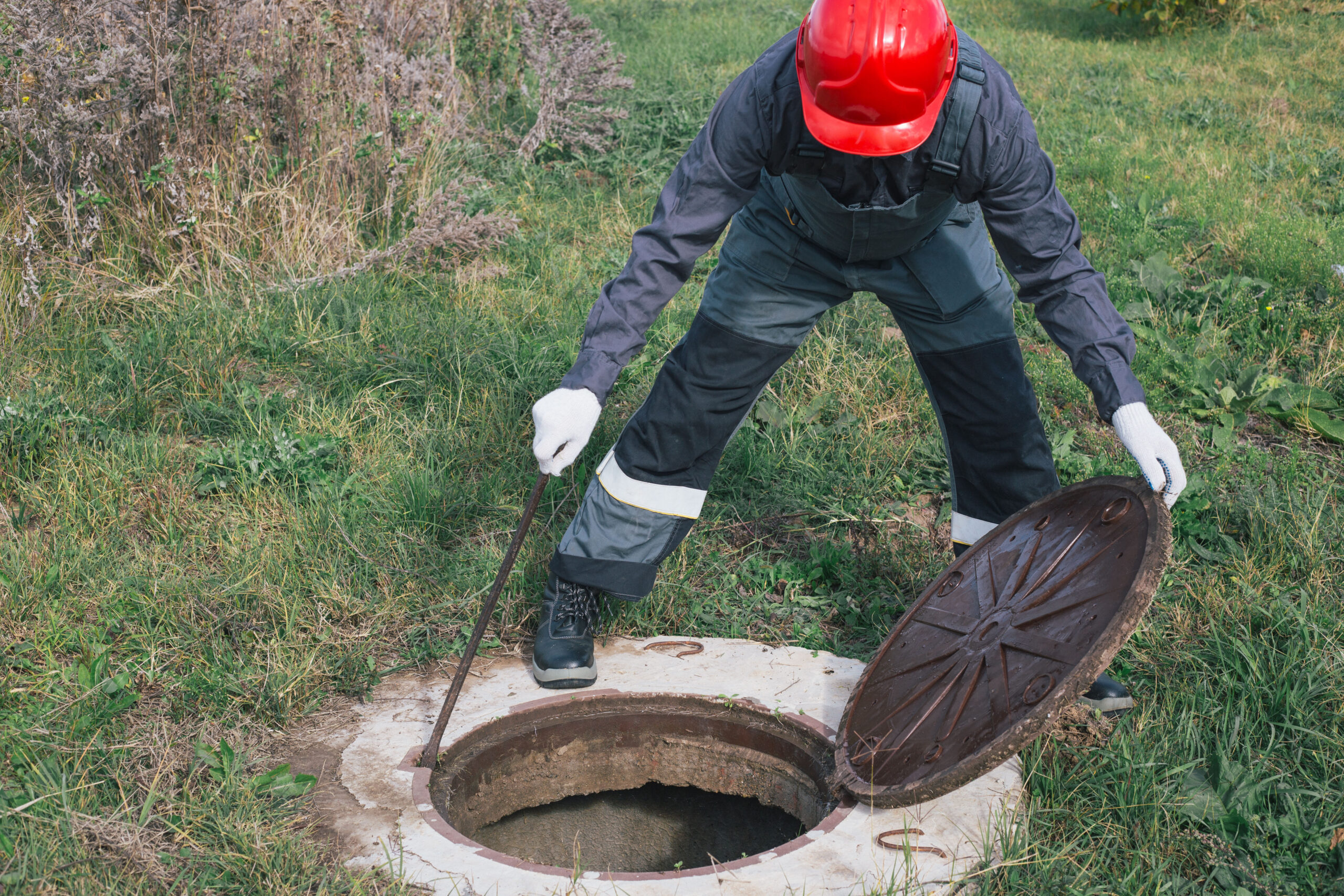
Step 3: Decommissioning the Old System
Your existing system has been properly decommissioned and removed, safely and efficiently, in accordance with local regulations.
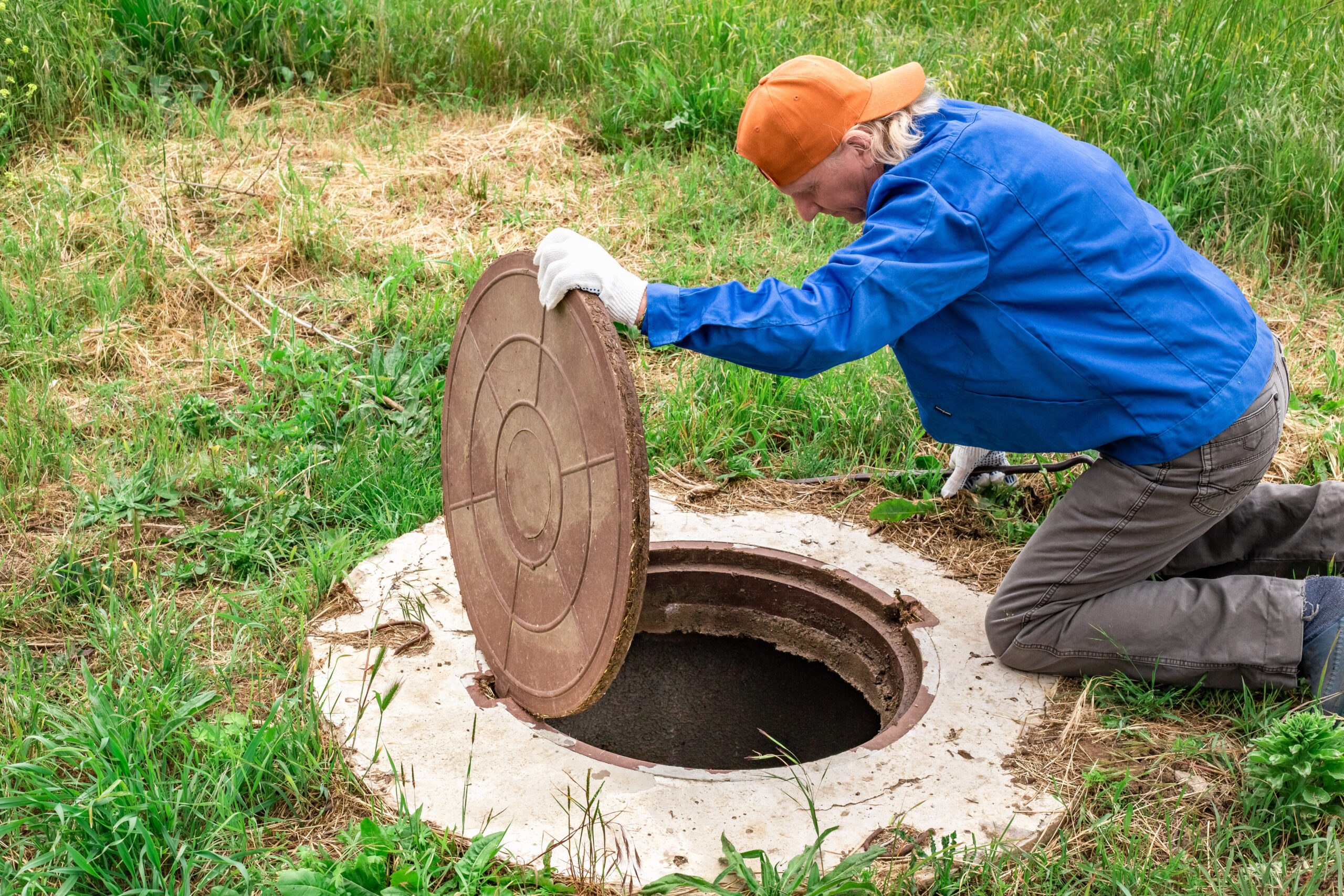
Step 4: New System Installation
We install your new septic tank and drain field components using quality materials and craft you can count on for years to come.
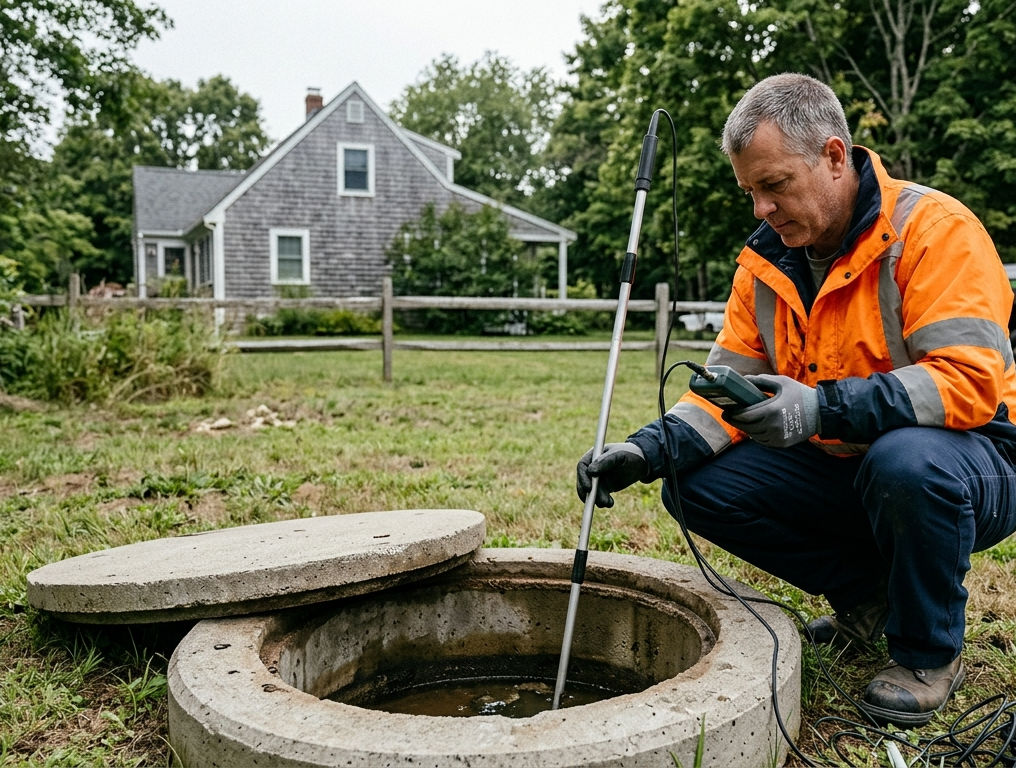
Step 5: Inspection and Testing
Before we close up, the new system is inspected and tested to confirm everything is operating correctly.
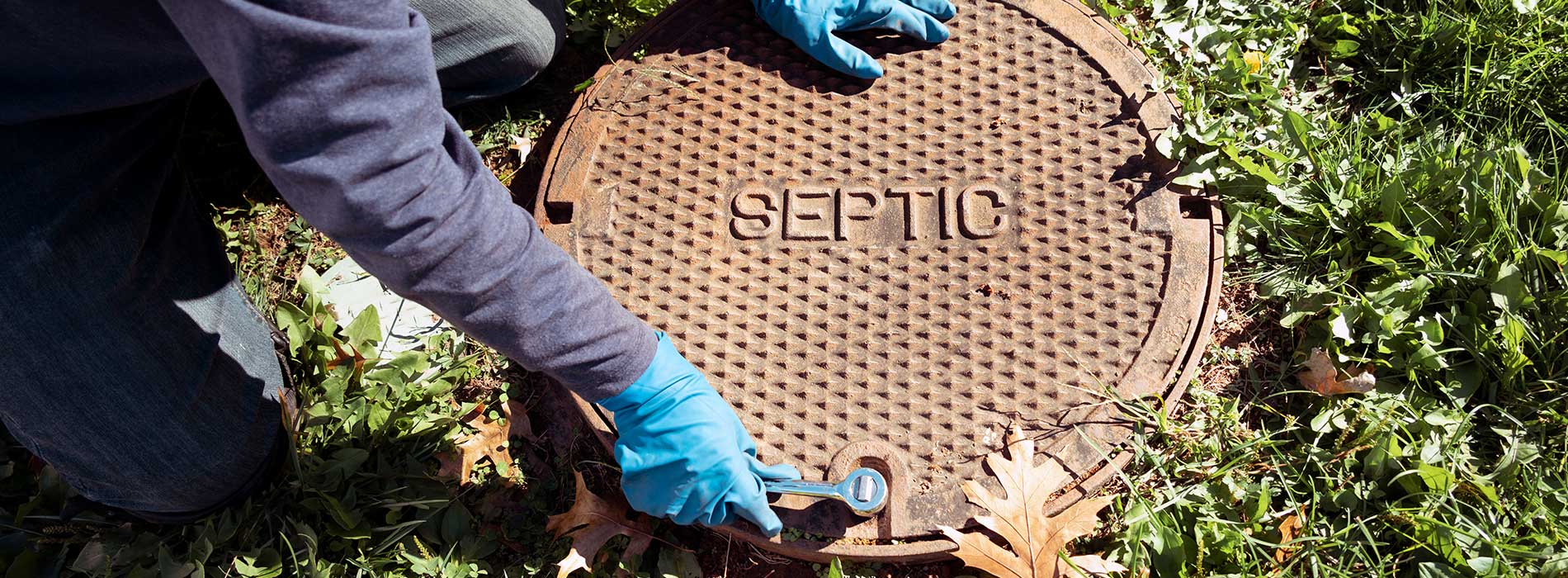
Step 6: Walkthrough and Ongoing Maintenance Guidance
We walk you through how to care for your new system, and we’re here for preventative maintenance to keep it running smoothly well into the future.
Types of Septic Systems We Install
Pennsylvania’s varied terrain means your replacement system needs to match your land, not just a standard blueprint. Depending on your soil conditions, lot size, and local regulations, your new system may be:
Conventional Gravity System
The most common option for properties with adequate soil depth and permeability. Reliable, time-tested, and cost-effective when the site supports it.
Pressure Distribution System
Used when soil conditions require more controlled effluent distribution across the drain field.
Mound System
Ideal for properties with high water tables or shallow bedrock. Effluent is treated in an engineered mound above ground level.
Alternative Systems
For challenging sites that don’t meet the criteria for conventional or mound systems, alternative engineered solutions are available. Your technician will explain what fits your specific property.
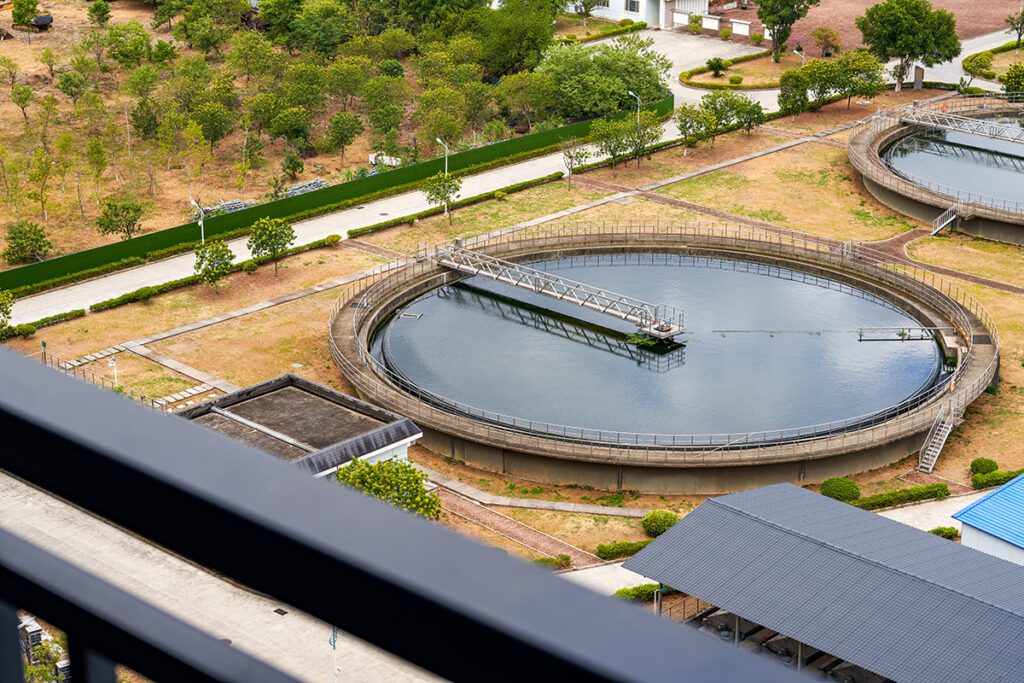
Septic Tank Replacement Cost Factors
Every septic tank replacement project is different, and so is the cost. There’s no single price that fits every property. What we can tell you is exactly what factors influence your estimate, so there are no surprises:
- Soil type and permeability results from perc testing
- Tank size required for your household or property
- Type of system (conventional, mound, alternative)
- Depth of excavation and site accessibility
- Local permitting fees and environmental regulations
- Decommissioning and removal of the existing system
- Proximity to well water, wetlands, or property lines
The best way to get an accurate number is a site evaluation. We’ll assess your property, walk you through your options, and give you a clear, honest estimate.
Why Professional Septic Replacement Protects Your Property Value
A properly installed septic system isn’t just about functionality. It’s a long-term investment in your property. Here’s what’s at stake when installation is done right:
Compliance with PA DEP and county health regulations protects you from fines and legal issues.
✓ Proper permitting documentation supports your property value and home resale.
✓ A correctly installed system avoids the cycle of repeated repairs and costly emergency calls.
✓ Your well water and neighboring properties are protected from contamination risk.
✓ A documented, inspected installation gives your household peace of mind for decades.
Since 1990, homeowners across Luzerne, Lackawanna, Carbon, Monroe, and beyond have trusted Biros Septic & Drain Cleaning to handle their most important property systems with care, skill, and transparency.


Frequently Asked Questions
Most homeowners haven’t been through this process before and knowing what to expect makes all the difference. Here are answers to the questions we hear most often.
How long does septic system replacement take?
Most residential replacements take two to five days of active work. However, the full timeline from initial evaluation to project completion can span several weeks once soil testing, permitting, and scheduling is factored in.
Your specific timeline depends on soil conditions, system size, and local permitting requirements in your county. We’ll give you a clear picture of what to expect before any work begins.
Can I still use my home during the replacement process?
During active installation, water use inside the home will need to be temporarily limited, and the work area will be off-limits. Your technician will let you know exactly what to expect and for how long.
Once the system is inspected and approved, you’re back to normal. We’ll also advise you on how to protect your new drain field long-term, including what to avoid.
Does homeowners insurance cover septic replacement?
In most cases, standard homeowners insurance does not cover septic replacement due to age or wear. Coverage may apply if the damage was caused by a sudden, covered event, but policies vary. We recommend reviewing your policy or speaking directly with your insurance provider to understand what’s included. What we can tell you is that regular preventative maintenance is one of the most effective ways to extend your system’s life and avoid the kind of failure that leads to full replacement.
Ready to Take the Next Step?
Septic replacement is one of the most significant home maintenance decisions you’ll make. It protects your property, your household, and your peace of mind for decades to come. When the time comes, you don’t have to navigate it alone.
Biros Septic & Drain Cleaning has been the trusted guide for Pennsylvania homeowners since 1990. We’ll assess your situation honestly, explain your options in plain language, and handle your septic replacement from permitting through installation with the craftsmanship your property deserves.