
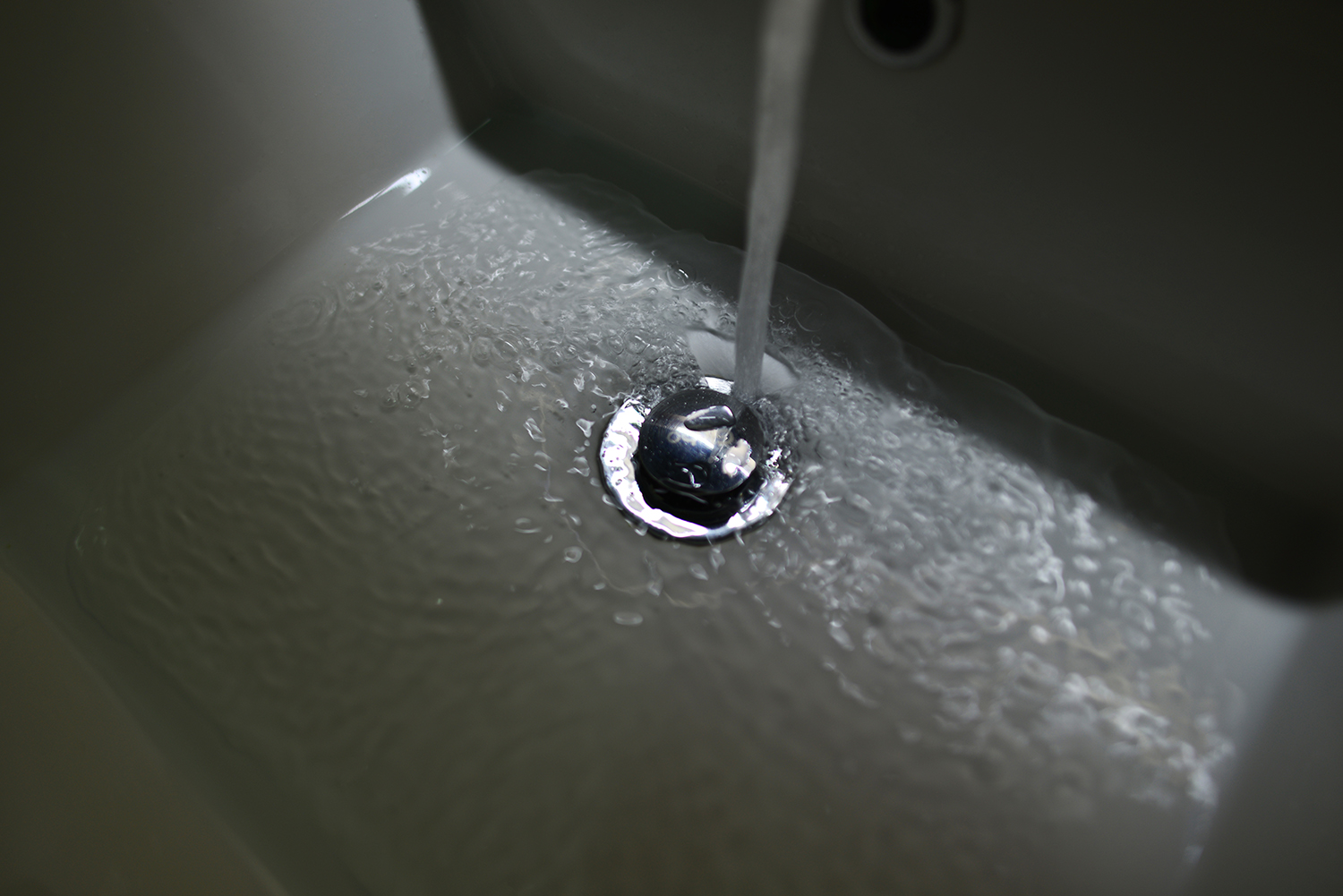
A slow draining sink might seem like a minor inconvenience at first, but if left unresolved, it can lead to unpleasant odors, standing water, and potential plumbing problems down the line. When water takes forever to disappear, it’s often a warning that something is clogging your pipes. Knowing how to handle it properly can save you time, money, and frustration.
Learn more about most common reasons why your sink may be draining slowly and get some practical solutions, starting with the easiest DIY fixes before moving into more involved methods.
Understanding the Symptoms of a Slow Draining Sink
Before jumping into fixes, it helps to identify the signs of a developing problem. A slow drain is rarely an isolated issue. This problem often comes with other telltale symptoms:
- Standing water that lingers long after you turn off the faucet
- Gurgling sounds coming from the drain as water flows through
- Foul smells rising from the sink, often caused by decaying food, hair, or grease trapped in the pipe
- Backflow or water that resurfaces when you drain another fixture nearby
When you notice these signs, it’s best to act quickly. Waiting too long can lead to a fully clogged drain or damage your plumbing system.
Common Causes of a Slow Draining Sink
Several culprits can restrict water flow in your sink drain. Understanding the source of the problem is key to choosing the proper fix.
1. Hair Buildup
Bathroom sinks often collect hair from shaving or washing, which can easily tangle and cling to soap residue inside the drain. Over time, this buildup narrows the passageway, slowing drainage.
2. Grease and Food Residue
In kitchen sinks, grease, oil, and food scraps are the usual offenders. Even if you rinse them away with hot water, they can cool and harden inside the pipes, sticking to the walls and trapping other debris.
3. Soap Scum and Mineral Deposits
Soap and hard water can combine to create a chalky residue that builds up on the sides of pipes. This scum not only slows drainage but also catches hair and grime, worsening the problem over time.
4. Clogged P-Trap
The curved section of pipe under your sink, known as the P-trap, is designed to trap debris and prevent sewer gases from entering your home. Unfortunately, it can also collect enough buildup to block water flow entirely.
So, how do I fix a slow draining sink with one of these issues? Let’s go through some effective, step-by-step solutions, beginning with simple home remedies and moving toward more hands-on fixes.
1. Start with Boiling Water
Sometimes, the simplest solution is the most effective, which is often the case with blocked drains. Boiling water can dissolve soap scum and loosen minor grease blockages.
- Bring a kettle or pot of water to a boil.
- Carefully pour it directly down the drain in stages, allowing a few seconds between pours.
- Test the drainage by running the faucet.
If the water still drains slowly, move to the next step.
2. Try Baking Soda and Vinegar
This classic combination works as a natural cleaner and can help break down mild clogs.
- Pour about half a cup of baking soda down the drain.
- Follow it with one cup of white vinegar.
- Cover the drain with a plug to contain the fizzing action and let it sit for 10–15 minutes.
- Flush with boiling water to clear any loosened debris.
This eco-friendly method benefits bathroom sinks that accumulate hair and soap residue.
3. Use a Plunger
If natural remedies don’t work, it may be time for some suction power.
- Fill the sink with enough water to cover the plunger cup.
- Place the plunger directly over the drain to create a tight seal.
- Push and pull vigorously for 20–30 seconds, then lift the plunger to check if the water drains faster.
Be sure to cover any overflow openings with a wet rag before plunging to ensure proper suction.
4. Try a Drain Snake
When buildup sits deeper in the pipe, a drain snake can physically remove the obstruction.
- Insert the tool into the drain opening.
- Rotate or push gently to catch debris.
- Pull it out slowly! You may be surprised at how much hair or gunk comes up.
- Run hot water afterward to rinse out any remaining particles.
If your sink continues to drain slowly after this step, the blockage might be in the P-trap or further down the line.
5. Clean the P-Trap
If you are comfortable handling basic plumbing, you can remove and clean the P-trap.
- Place a bucket under the sink to catch any water or debris.
- Unscrew the slip nuts holding the P-trap in place.
- Remove the trap and clean it thoroughly with a bottle brush or an old toothbrush.
- Reattach it securely and test the drain.
If the clog is not visible or the sink still drains slowly after cleaning, the problem may lie in the main drain line, and it’s best to call a professional.
Can’t I Just Try A Chemical Clog Remover?
No, you should avoid using chemical clog removers. While they might seem like a quick fix for a slow draining sink, these products often do more harm than good. The harsh ingredients in chemical drain cleaners can corrode your pipes, especially if they’re older or made of PVC, and cause long-term damage to your plumbing system. They also generate heat that can warp or crack plastic components and loosen fittings.
In addition to pipe damage, chemical cleaners pose health and environmental risks. The fumes can irritate your eyes and lungs, and any leftover residue can be dangerous if it splashes back while plunging or disassembling the drain later. Plus, the chemicals that wash down your pipes can harm septic systems and disrupt the balance of beneficial bacteria needed for proper wastewater treatment.
When to Call a Professional
DIY methods are effective for most minor clogs, but persistent drainage issues can point to a deeper plumbing problem. You should contact a professional if you have any of these issues with your drain:
- The sink continues draining slowly despite multiple cleaning attempts.
- You notice water backing up into other drains.
- There are strong, foul odors that don’t go away after cleaning.
- You suspect a blockage in the main line or septic system.
Professional plumbers have specialized equipment to locate and remove blockages safely without damaging your pipes.
Get Professional Help with Drain Problems
A slow draining sink might start as a simple annoyance, but it can signal more serious plumbing issues, especially if the cause is beyond your reach. For reliable, expert help, Biros Septic can diagnose the problem, clear stubborn clogs, and ensure your system runs smoothly again. Their trained technicians use advanced tools to locate blockages, remove buildup, and restore full drainage quickly and safely.
If your sink is slow to drain, don’t wait until it becomes a complete clog. Contact Biros Septic today to schedule a professional inspection and get your drains flowing freely again.