
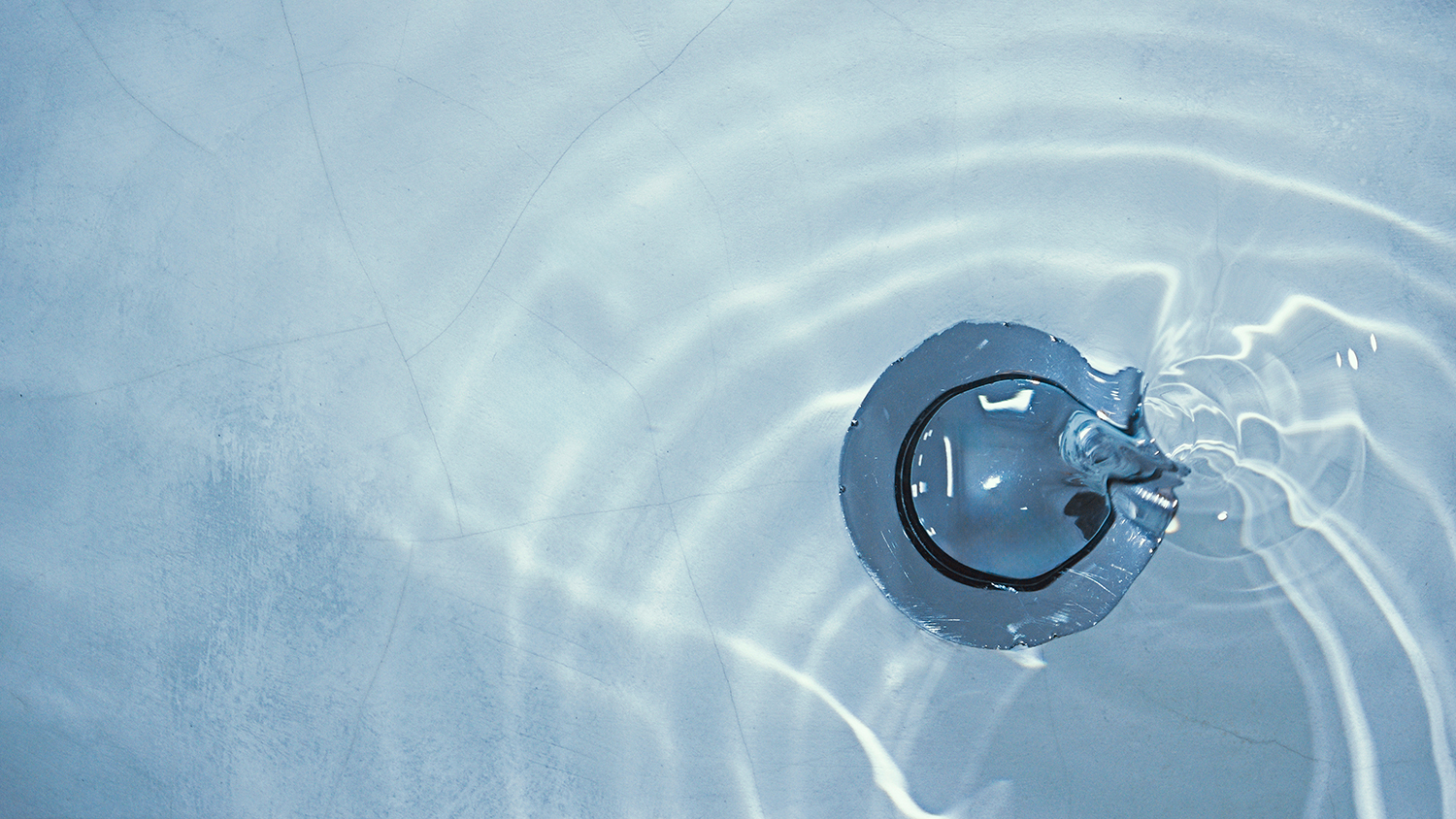
A slow-draining bathtub is one of those household problems that starts small but quickly becomes frustrating. Water pooling around your ankles, foul smells rising from the drain, and gurgling sounds after each shower are all signs that something is not quite right with the system beneath your tub. When drains slow down, daily routines feel disrupted, and homeowners often wonder what the real cause is, and how complicated the fix might be.
The good news: most slow-draining tub issues are caused by simple blockages you can address yourself. This guide will walk through the most common causes, explain what your symptoms may be telling you, and provide a tiered set of solutions that progress from the simplest fixes to more involved steps. By the end, you will understand when a DIY remedy is enough and when it is time to call in a professional.
Common Reasons Your Slow-Draining Tub Keeps Backing Up
When dealing with a slow-draining bathtub, identifying the cause is the first step toward solving it. While different plumbing systems can develop unique problems, several culprits recur in homes.
1. Hair Buildup
Hair is the most common clogging agent in bathtubs. Each shower sends strands down the drain, where they mix with soap and oils to form a dense mat. Over time, this mass restricts water flow, leading to slow-draining tub problems.
2. Soap Scum
Soap residue hardens as it collects along the drain walls and pipes. Combined with hair, this sticky buildup can create stubborn blockages that boiling water alone may not clear.
3. Grease and Body Oils
A surprising yet common issue is grease. Not cooking grease, but the oils, creams, and lotions used on skin and hair. These substances cool as they enter the drain, coating the inside of the pipes and narrowing the passages.
4. Mineral Deposits
If your household water is rich in minerals, deposits can form in drains and pipes, reducing their diameter and contributing to drainage issues.
5. Foul Odors
When water drains slowly, debris lingers in the pipes longer than it should. This can lead to foul odors from the drain, an early sign that a clog is forming or that an existing buildup is starting to decay.
Clear Symptoms of a Slow-Draining Bathtub
Understanding the symptoms can help pinpoint whether you are dealing with a minor blockage or a problem deeper in your plumbing system.
- Pooling water that takes several minutes or longer to drain
- Gurgling noises as water moves through the restricted pipe space
- Foul smells that linger even when the bathroom is clean
- Standing water after showers
- Water is backing up into the tub when another fixture drains
If you are noticing two or more of these signs at once, the issue may be progressing. It’s important to begin troubleshooting before the blockage becomes severe.
Start Simple with the Least Invasive Fixes for a Slow-Draining Tub
The best approach to a slow-draining bathtub is to start with the least invasive, simplest solutions. These gentle methods can resolve early-stage blockages without tools or chemicals.
Try Boiling Water
Boiling water is often the easiest first step. Slowly pour it down the drain in two to three stages, allowing the water to work through any grease or soap residue. This method is especially effective if body oils or light buildup is the cause.
Clean the Drain Cover
Sometimes, a slow-draining tub is simply caused by hair stuck in the drain opening. Remove the drain cover, clear away visible debris, and rinse the area thoroughly.
Move to Moderate Solutions like Plungers and Drain Snakes
If boiling water does not fix the issue, it is time to escalate to more hands-on methods.
Use a Plunger
A plunger creates suction and pressure that dislodges clogs sitting just beyond the drain opening.
- Fill the tub with a few inches of water.
- Place the plunger over the drain to create a seal.
- Pump vigorously several times and check drainage.
If the water drains more quickly afterward, you likely dislodged the blockage.
Try a Drain Snake
A drain snake, or auger, works well for deeper clogs caused by hair and soap scum. Insert the snake into the drain, twist gently, and pull upward to remove the debris. Be patient. Slow, controlled motions help prevent pipe damage.
Need Advanced Fixes? You May Require Professional Help
When plunging and snaking fail to fix a slow-draining tub, the problem may lie farther down the system, so more advanced measures are required to remedy it.
Clean the P-Trap
Although the P-trap under a bathtub is not always easy to access, it can collect hair, scum, and other debris.
If your tub drain is accessible from a basement or utility panel:
- Place a bucket underneath the trap.
- Loosen the slip nuts securing the trap.
- Remove and clean the trap thoroughly.
- Reassemble and test drainage.
If the trap is not easily accessible, do not force anything. This is one of those situations where professional assistance is likely the best choice.
Check for Main Line Issues
Sometimes a slow-draining tub is not the real issue but a symptom of a larger one.
Indicators include:
- Slow drainage in multiple fixtures
- Toilets bubbling when a drain empties
- Persistent odors in different rooms
These signs suggest the blockage is in your home’s main line, not just in the tub.
When Should I Call a Professional for a Slow Draining Bathtub?
There is a fine line between a stubborn clog and a deeper plumbing issue. Call for professional help if:
- Drainage has not improved after the above steps
- Foul smells worsen
- Water backs up into the tub
- You suspect a main line obstruction
Trying to force clogs without proper tools or expertise can damage pipes or allow issues to escalate.
A Reliable Solution for Lasting Drain Health
If you have worked through the steps you can and your bathtub is still draining slowly, it is time to hand the issue over to experts who can diagnose deeper causes and restore your home’s plumbing to proper performance. Biros Septic has the tools, training, and experience to identify blockages, clear stubborn clogs, and address underlying septic or sewer concerns before they worsen. If your slow draining bathtub has become a recurring problem, reach out today for a thorough assessment and dependable solutions that keep your system flowing smoothly.